KnowledgeCity Learning Portal
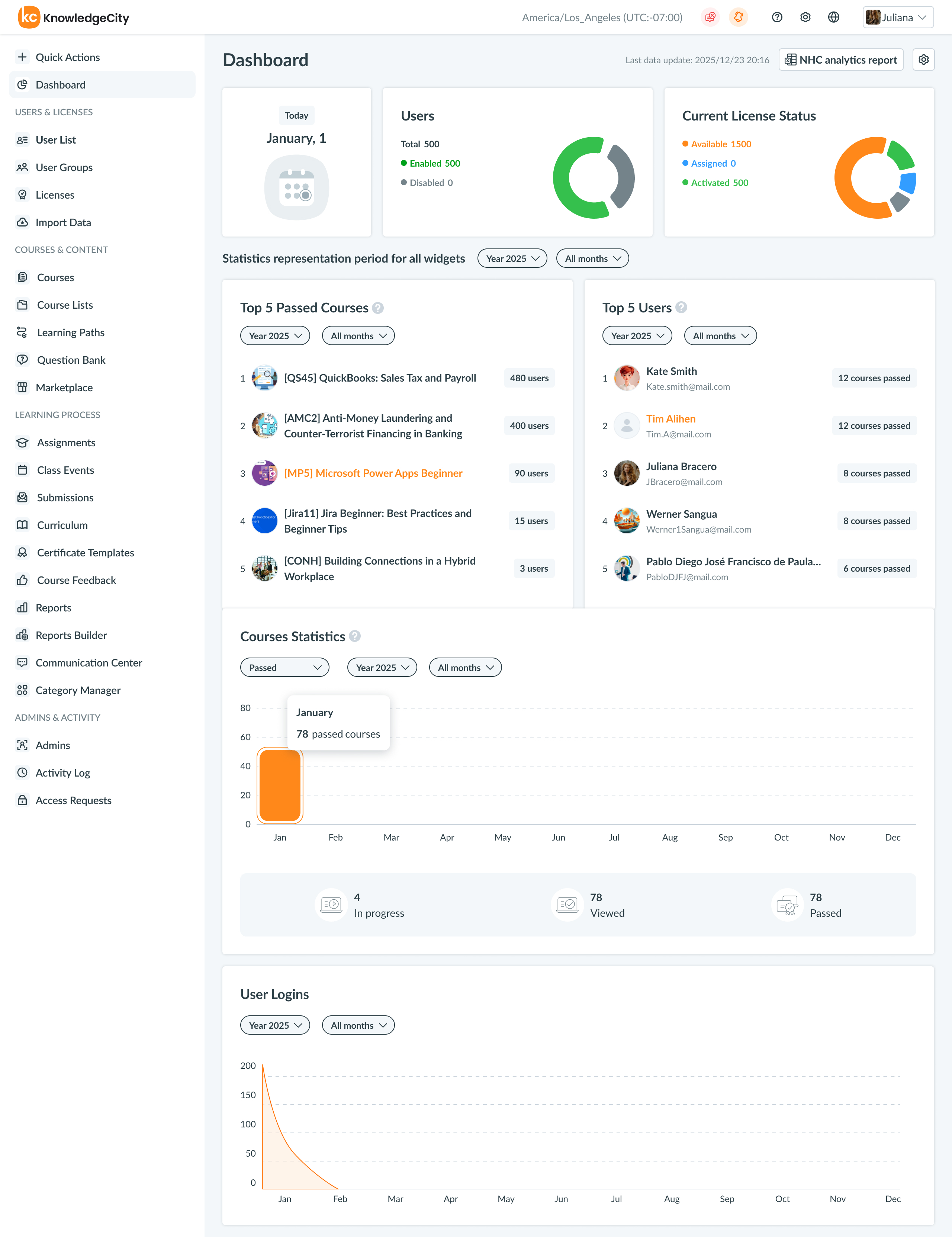
I joined KnowledgeCity to improve the student experience across the learning portal. My work focused on fixing inconsistencies, redesigning legacy pages that still used the old interface, and creating a clearer learning flow across the platform. I introduced gamification elements to make learning more engaging, improved navigation between lessons inside learning paths, and streamlined key interactions so students can better understand their progress and what to do next.
The challenge
Learners needed to understand what to do next without getting lost across courses, assignments, deadlines, and duplicated items. The experience had to stay flexible for a growing feature set and multiple breakpoints.
What I did
- Redesigned inconsistent legacy pages and unified interface patterns
- Introduced gamification mechanics to make learning more engaging
- Improved navigation between lessons inside learning paths
- Streamlined the student learning flow and platform clarity
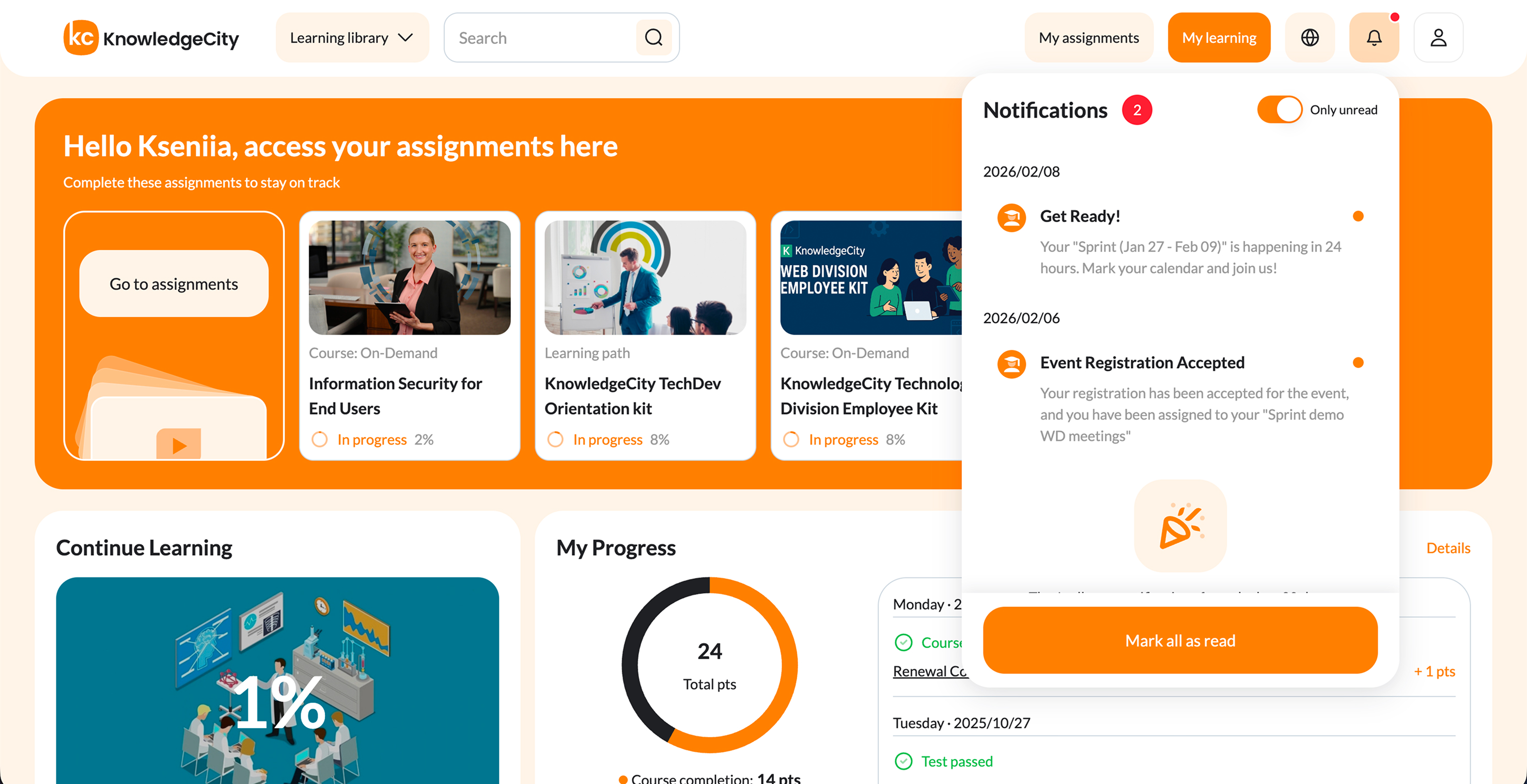
Assignment clarity
Before → AfterAssignments appeared fragmented and sometimes duplicated, making deadlines and completion state harder to scan quickly.
- Weak hierarchy between primary and repeated items
- High cognitive load when checking due dates
- Users had to interpret too much structure on their own
I reorganized the experience to make status, deadlines, and relationships between items more legible at a glance.
- Clearer grouping and visual distinction
- Better deadline visibility and faster scanning
- Lower cognitive effort for recurring learning tasks
Progress visibility
UX improvementCourse progress was present, but not always easy to interpret as part of the learner's bigger journey.
- Important information competed for attention
- Completion state lacked strong emphasis
I strengthened visual hierarchy and introduced more intuitive progress cues to help users understand what is done and what remains.
- Faster recognition of completion status
- Better orientation inside larger learning flows
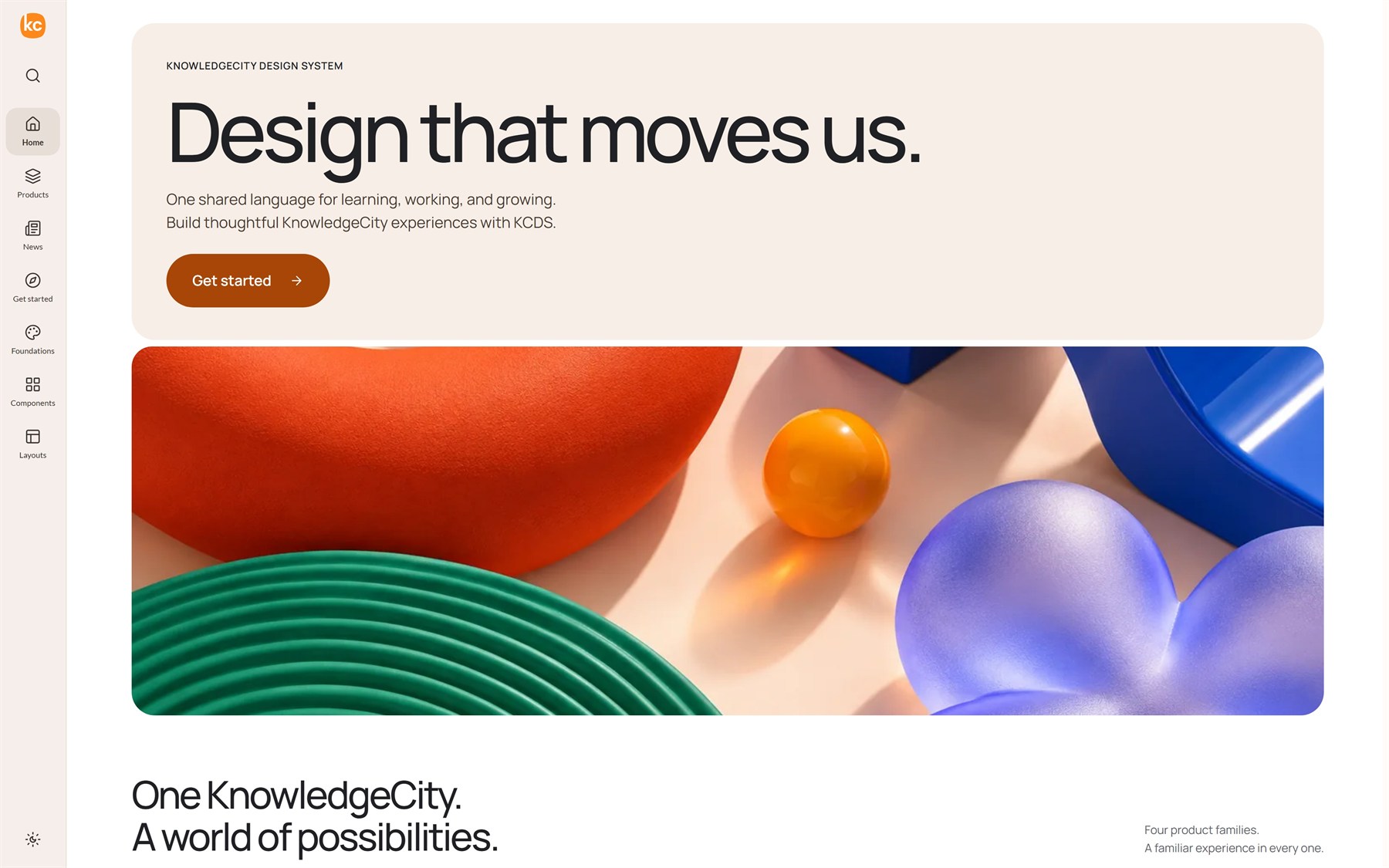
Design system foundation
ScalabilityThe product needed stronger consistency as more screens, features, and breakpoints were added over time.
- Repeated design decisions slowed future work
- Cross-platform cohesion required more manual effort
I built an atomic design system to turn repeated interface patterns into reusable foundations for product growth.
- More consistent UI across the ecosystem
- Faster feature design and easier handoff
- Better long-term scalability
Improved clarity in day-to-day learning flows and reduced the effort required to understand what to do next.
Created a stronger foundation for shipping new features without compromising consistency.
Shows product thinking beyond visuals: hierarchy, systems, and real user task support.